Whether you’re passionate about creating your own local wine brand or interested in importing premium international wines, this comprehensive guide will walk you through everything you need to know to launch a successful wine business in Nigeria.

How Nigeria’s Wine Market Is Faring
With the market valued at approximately ₦656 billion ($400-$420 million) in 2024 and consumption reaching 33.1 million liters in 2021, there’s never been a better time to explore the wine business in Nigeria.
The Nigerian wine market is still developing but growing steadily, with indigenous producers currently holding about 20% of the market share. The remaining portion is dominated by multinationals and imports, particularly from France, the United States, Spain, South Africa and Italy.
What’s particularly exciting is the demographic shift. The largest wine-consuming age group is 25-34 years, accounting for 36.5% of the market, followed by 35-44-year-olds at 32.6%. Male consumers represent 67.1% of the market, while female consumers account for 32.9%. This younger, urban demographic is increasingly viewing wine as a sophisticated and health-conscious alternative to traditional alcoholic beverages.
Types of Wine Businesses You Can Start
1. Local Wine Production
Local wine production in Nigeria is still in its early stages but shows tremendous growth potential. Companies like Deebee Company Limited (founded in 1977) pioneered commercial wine production in Nigeria using kola nuts, while innovative newcomers like Ikenga Wines are revolutionizing the palm wine category with patent-pending production methods that extend shelf life and reduce carbon emissions by an estimated 95%.
Regions like Jos and Benue State offer suitable climates and terrains for viticulture, presenting opportunities for entrepreneurs willing to invest in grape cultivation or traditional Nigerian wine production methods.
2. Wine Importation and Distribution
Given that imports currently dominate the premium wine segment, starting an importation business can be highly lucrative. In 2022, Nigeria imported ₦170.6 billion ($104 million) worth of wine, with major suppliers including France (₦52.7 billion), the United States (₦31.8 billion), and Spain (₦31.2 billion).
3. Wine Retail and Bottle Shops
Opening a wine retail shop or bottle shop allows you to serve local wine enthusiasts without the complexities of production. These establishments can specialize in specific niches like natural wines, regional selections, or affordable everyday wines.
4. Wine Bars and Lounges
Wine bars combine hospitality with wine sales to create spaces where customers can explore different varieties in a social setting. The growth in wine-focused establishments has contributed significantly to increased wine consumption across Nigeria.

Step-by-Step Guide to Starting Your Wine Business
Step 1: Define Your Business Vision
Start by clearly outlining what type of wine business you want to create. Will you focus on local production using indigenous ingredients, or will you import premium international wines? Perhaps you’ll combine both approaches. Your vision should address:
- Who is your target market? Will they be premium consumers, middle-income buyers, or budget-conscious customers?
- What will be the product range? Red, white, rosé, sparkling, or fortified wines?
- What are the distribution channels you intend to use? Your options include retail, wholesale, online, or direct-to-consumer?
- How do you intend to position your brand? Do you envision it as luxury, accessible premium, or everyday value?
Step 2: Know Your Market
Understanding your competition and target customers is crucial. Be sure to research existing players in your chosen segment, from established companies like Nigeria Distilleries Limited (founded in 1961 and now acquired by Nigerian Breweries) to newer entrants like Supreme Distilleries Limited and Rexton Industries Limited.
Analyze consumer preferences in your target region. Remember that Nigerian palates generally favour fruity and semi-sweet wines that pair well with local cuisines. Higher-income earners (40.9% of the market) typically prefer premium imported wines, while middle-income consumers (36.1%) are more price-sensitive.
Step 3: Develop a Comprehensive Business Plan
Your business plan should include:
- Executive Summary: Overview of your business concept and goals
- Market Analysis: Detailed research on industry trends, competition, and target demographics
- Product Portfolio: Specific wines you’ll produce or import
- Financial Projections: Startup costs, operational expenses, and revenue forecasts
- Marketing Strategy: How you’ll reach and retain customers
- Operational Plan: Production processes, supply chain, and logistics
For a wine retail business, expect startup costs between ₦328 million to ₦820 million ($200,000-$500,000), with inventory alone potentially costing around ₦82 million ($50,000).
Step 4: Navigate Regulatory Requirements
Compliance is non-negotiable in Nigeria’s wine industry. You must obtain:
Essential Licenses and Permits:
- Business registration with the Corporate Affairs Commission (CAC)
- National Agency for Food and Drug Administration and Control (NAFDAC) registration
- Standards Organisation of Nigeria (SON) certification
- Tax Identification Number (TIN)
- Appropriate alcohol distribution or production licenses
For Importers:
- Import permit from Nigerian Customs Service
- Product registration with NAFDAC
- Compliance with labelling standards (alcohol content, ingredients, country of origin)
- Laboratory testing for quality and safety verification
NAFDAC requires wine products to meet established quality standards and undergo rigorous testing before distribution. Non-compliance can result in fines, product recalls or import bans.
Step 5: Secure Funding
Wine businesses require significant capital. Explore multiple funding sources:
- Bank Loans: Traditional financing from commercial banks
- Government Grants: Programs supporting manufacturing and SMEs
- Private Investors: Angel investors or venture capital interested in the beverage sector
- Personal Savings: Initial capital from your own resources
- Partnership Arrangements: Joint ventures with existing distributors or producers
Step 6: Establish Your Supply Chain
For Local Producers:
- Source quality raw materials (grapes, kola nuts, palm wine, or other ingredients)
- Invest in production equipment and facilities
- Establish quality control processes
- Develop packaging solutions that preserve product quality
For Importers:
- Build relationships with international suppliers from major wine-producing regions
- Partner with reliable local distributors who understand the Nigerian market
- Establish efficient logistics channels through major hubs like Lagos and Port Harcourt
- Navigate import duties and taxes (which vary depending on wine type and country of origin)
Step 7: Build Your Brand and Marketing Strategy
In a competitive market, strong branding differentiates your business. Develop:
- A memorable brand name and logo
- Packaging that appeals to your target demographic
- A compelling brand story that resonates with Nigerian consumers
- Digital presence through social media and a professional website
- Partnerships with restaurants, hotels, and retail chains
Marketing should emphasize the sophistication and quality of your wines while highlighting how they pair with local cuisine. Consider hosting wine tasting events, sponsoring upscale gatherings, and leveraging influencer partnerships to build brand awareness.
Step 8: Implement Effective Pricing Strategies
Your pricing must balance profitability with market competitiveness. Consider:
- Import costs: Customs duties, transportation, and clearance fees
- Production costs: For local manufacturers, factor in raw materials, labour, and overhead
- Market positioning: Premium brands command higher prices but serve smaller markets
- Tiered pricing: Offer products at various price points to capture different market segments
- Promotional strategies: Seasonal discounts and bundle deals to drive volume
Remember that taxation significantly impacts pricing. Excise taxes vary by wine type and alcohol content, while VAT and customs duties add to the final retail price.
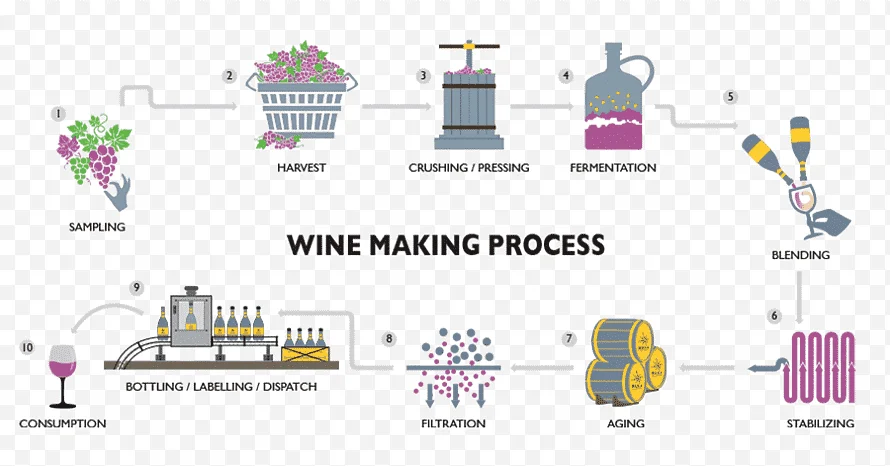
The Wine Importation Process in Nigeria
If you’re focusing on importation, here’s what you need to know:
Documentation Requirements
- Commercial invoice from supplier
- Packing list
- Certificate of origin
- Bill of lading or airway bill
- NAFDAC import permit
- Laboratory test results
- Proof of payment for customs duties
Import Duties and Costs
Nigeria’s import duties on wine vary depending on type and origin. Budget for:
- Import duties (percentage of product value)
- Excise tax (based on alcohol content)
- VAT (currently 7.5%)
- Port charges and handling fees
- NAFDAC registration fees
- Customs clearing agent fees
Quality Standards
All imported wines must undergo testing to verify safety and quality. NAFDAC may request samples for laboratory analysis, and products found substandard will be denied entry. Ensure your suppliers meet international quality standards to avoid costly rejections.
Conclusion
Starting a wine business in Nigeria requires careful planning, significant capital, and dedication to quality and compliance. However, with the market growing at 5-10% annually and consumer preferences evolving toward sophisticated beverage options, the timing is favourable for serious entrepreneurs.
Whether you choose local production, importation, or retail, success depends on understanding your target market, building strong supplier relationships, maintaining regulatory compliance, and creating a brand that resonates with Nigerian consumers.