Explore the endowment effect—why we struggle to let go of our possessions. Learn practical strategies to use this psychological principle to enhance customer loyalty and drive sales in your business.
The other day, I was organizing my place and stumbled on an old pair of shoes I haven’t worn in years. Now, these shoes have long lost their shine, but for some reason, I couldn’t bring myself to toss them out. Something about them made them feel… special. It got me thinking: why do we hold on to things even when they seem to have no value? Wondering if it was just me, I texted a friend to confirm:
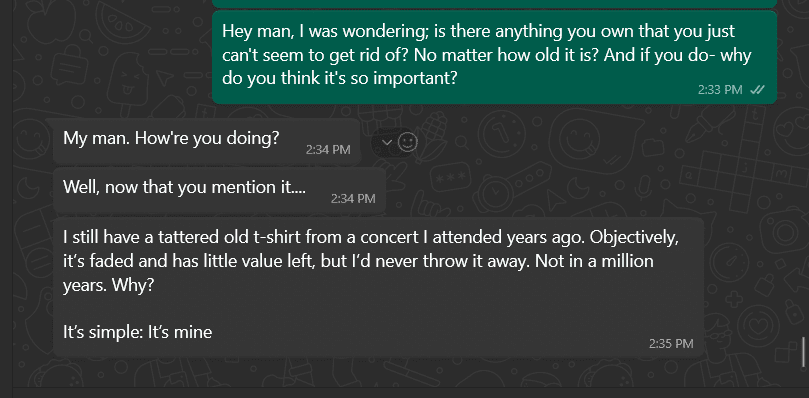
That little conversation had me thinking, and that’s when I came across the concept of the Endowment Effect, and suddenly it all made sense.
The Endowment Effect is a fascinating piece of human psychology that causes us to place a higher value on the things we own simply because we own them. Researchers like Daniel Kahneman have shown that we can value our own items up to 2.5 times more than we would value someone else’s—even if it’s the exact same object.
Understanding this can be powerful, especially when you’re trying to sell or market a product. It’s a phenomenon that businesses, especially in the digital world, can leverage to increase customer loyalty, drive conversions, and boost perceived value. The good news is that no matter what your industry is, you can use the Endowment Effect to your advantage. Let’s break down exactly what the Endowment Effect is and, more importantly, how to make it work for you.
What Is the Endowment Effect?
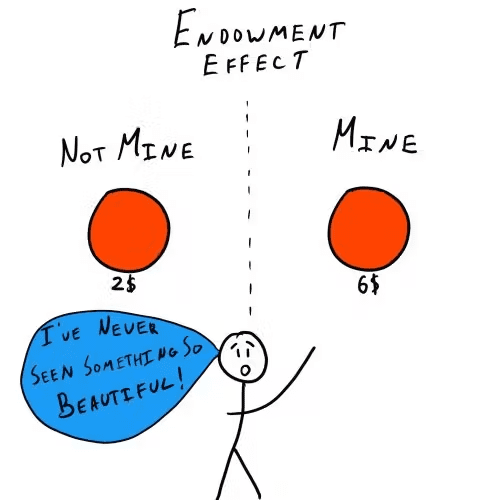
In psychology and behavioral economics, the Endowment Effect occurs when people value something more simply because they own it. This bias makes it difficult to part with an item or service, even when it makes rational sense to do so. It’s why we struggle to return products, even with no-hassle return policies, or why we place a higher value on customizations we made ourselves.
This effect has a direct impact on business. When customers feel ownership over a product, they’re more likely to make a purchase, keep it, and even defend its value.
Why Does This Happen?
It’s all tied to loss aversion. People hate to lose things, even if it’s something they didn’t pay for. The feeling of ownership triggers a mental attachment, making it harder for customers to let go. Once someone feels connected to a product or service, the perceived value skyrockets.
The good news is that you can make this work for your business. Giving people a sense of ownership early in the customer journey can increase the chances of conversion and long-term customer loyalty.
How to Leverage the Endowment Effect for Your Business
Let’s get practical. Here’s how successful companies use the Endowment Effect, and how you can apply these tactics to your own business:
1. Free Trials and Giveaways: Let Customers ‘Own’ Your Product Before They Buy
One of the most direct ways to activate the Endowment Effect is to give potential customers a taste of ownership, without any initial commitment.
- Shopify offers free lessons, a blog, and free trials to help users build their eCommerce businesses before they commit. Once customers invest time into using the tools, they are more likely to stick with Shopify when the trial ends.
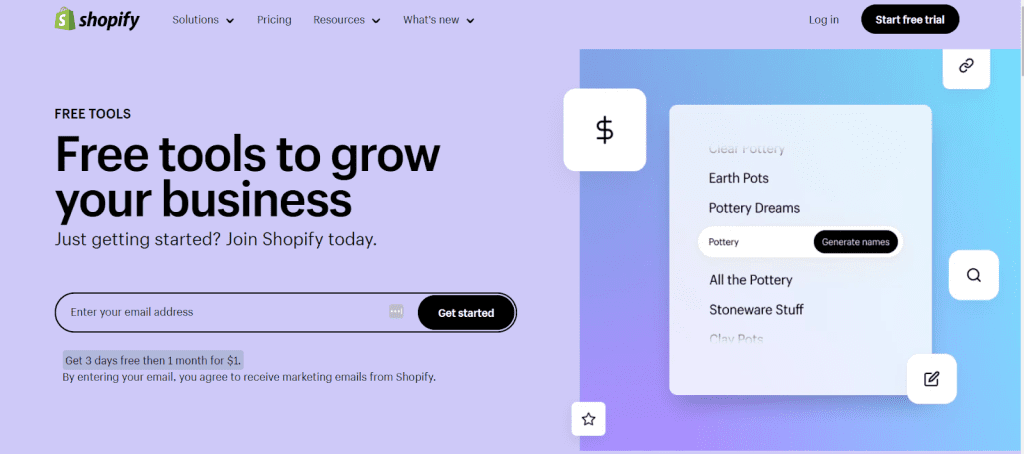
- How You Can Use This: Offer free trials or samples that let people experience your product or service first-hand. The time and effort they invest creates a psychological ownership that’s hard to walk away from. For example, software companies can provide a no-commitment trial period, while eCommerce businesses might offer a free sample or a discount on a first purchase.
2. Make It Tangible, Using Haptic Imagery
The more people can imagine touching or interacting with a product, the stronger the feeling of ownership. This is especially important in eCommerce, where customers can’t physically hold products.
- Apple uses this brilliantly. Their showrooms let visitors try all their products without time limits or pressure to buy.

The tactile interaction makes customers feel like they already own the product. You may have noticed that some other phone manufacturers also do the same.
- Lush does this through online descriptions, telling customers exactly how the product will feel and what their skin will look like post-use.
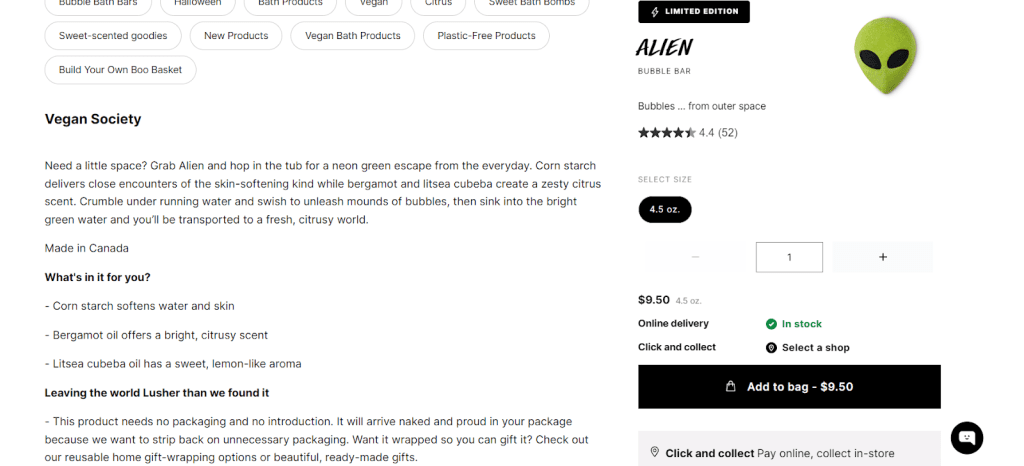
This creates a vivid mental image of ownership before a purchase is even made.
- How You Can Use This: Incorporate sensory language into your product descriptions. Marketing pros recommend that you use phrases like “feel the difference” or “imagine the comfort” to evoke sensory engagement. Include detailed instructions that guide customers through how they would use the product, just as Lush does.
3. Personalization: Let Customers Create Their Own Product
When people contribute to the creation or customization of a product, they feel a deeper sense of ownership. This strategy directly amplifies the Endowment Effect.
- Converse allows customers to design their own shoes, choosing colors and styles, making the product feel personally theirs before they even click “buy.”
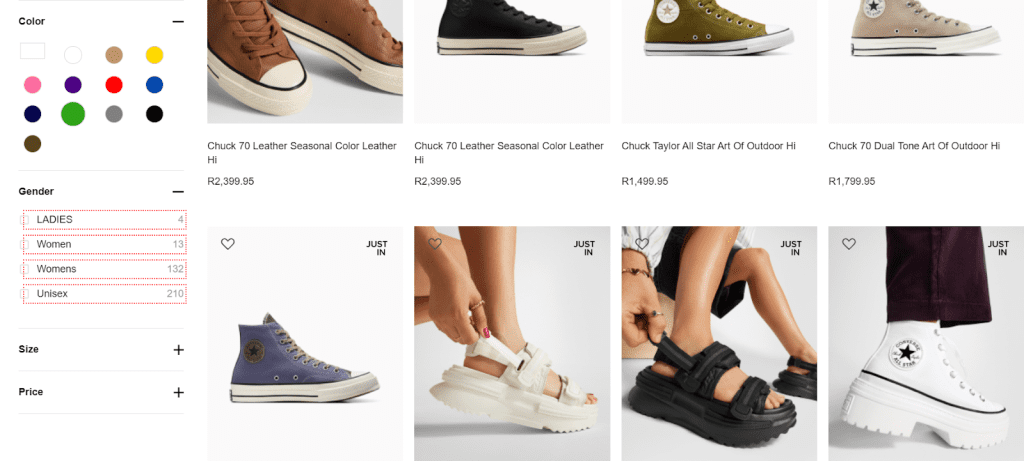
- IKEA popularized the idea with their DIY furniture. Customers who assemble their own pieces tend to value them more highly simply because they’ve invested effort into the creation.
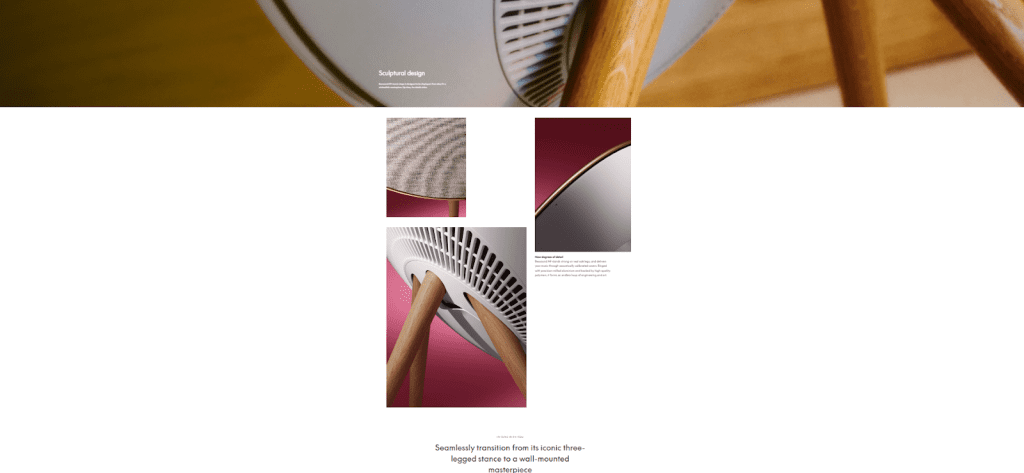
- How You Can Use This: If possible, offer customization options. Even simple choices, like picking a color or adding a monogram, can make a customer feel like they’ve created something uniquely theirs. Alternatively, allow customers to engage with interactive product features like rotating 3D views, as Bang & Olufsen does with their speaker range.
4. Virtual Reality and Visualization: See It in Your Life
When customers can visualize your product fitting into their personal lives, the Endowment Effect kicks in stronger than ever.
- IKEA’s Place app uses augmented reality to let users see how furniture looks in their homes.

The ability to place the product in their own space makes it feel like it’s already part of their life, making them more likely to purchase.
- Wayfair goes even further by allowing customers to design entire rooms with their products.
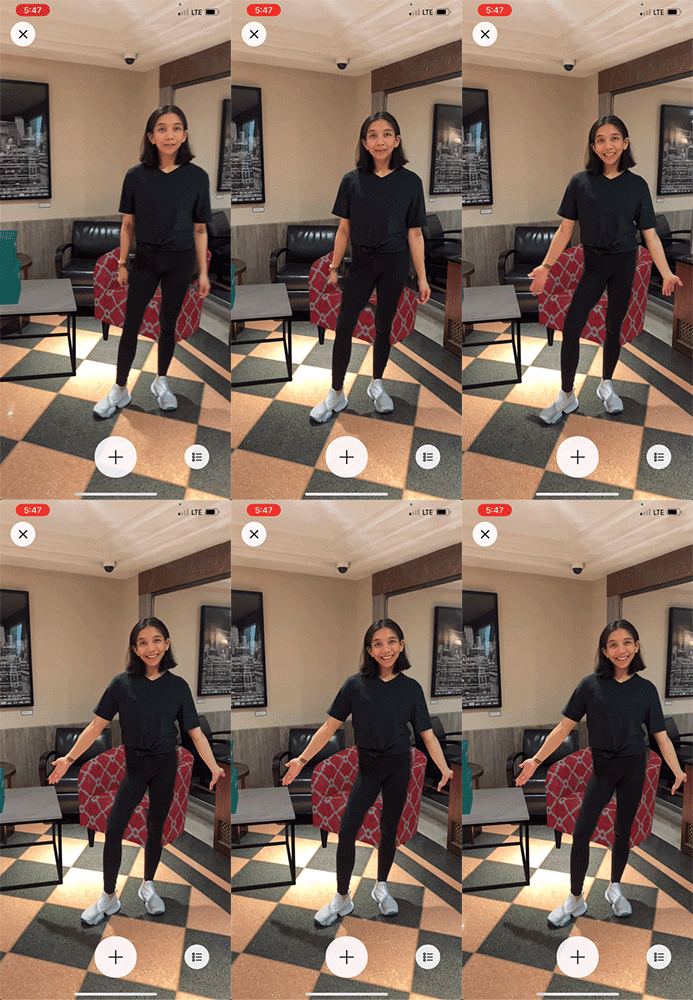
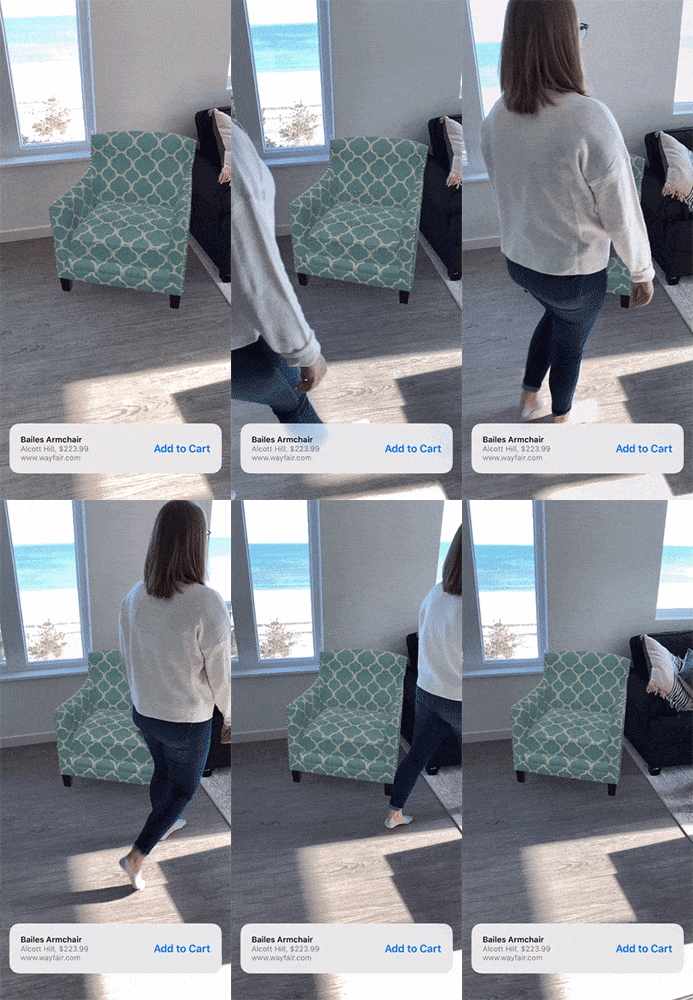
This virtual ownership fosters a deeper connection to the items, making them harder to resist.
- How You Can Use This: It’s obvious that VR tech might be an expensive option for the average business. But you can still offer similar experiences with features like color changing, zooming, or interactive product simulations. Simple interactive tools that allow customers to visualize the product in their lives will heighten the sense of ownership.
5. Smart Checkout Nudges
A powerful way to combat cart abandonment is by reminding customers that the items in their cart already belong to them.
- Under Armour uses smart notifications during checkout, like “Your shoes are almost home!” or “Now in your cart, soon in your hands!”
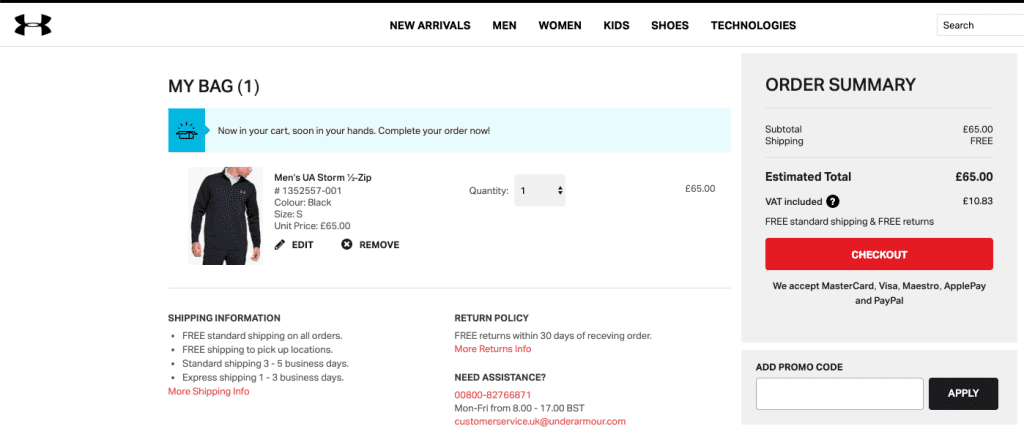
This makes customers feel like the products are already theirs, and they’re just completing the final steps of ownership.
- How You Can Use This: Use personalized language in your checkout process to nudge customers toward completing their purchase. Phrases like “Your [product] is waiting for you!”, “Just a few clicks away from owning your new [product]” or “Don’t let your [product] miss out on its new home” are simple ways to increase attachment and close the sale.
Where Possible, Offer Money-Back Guarantees
You’ve probably seen offers like, “Try it for 30 days, risk-free!” But did you know this tactic is rooted in the Endowment Effect? When Chrysler introduced a 30-day money-back guarantee to avoid bankruptcy in the ’80s, less than 1% of buyers returned their cars. Why? After 30 days, customers already felt the cars were theirs.
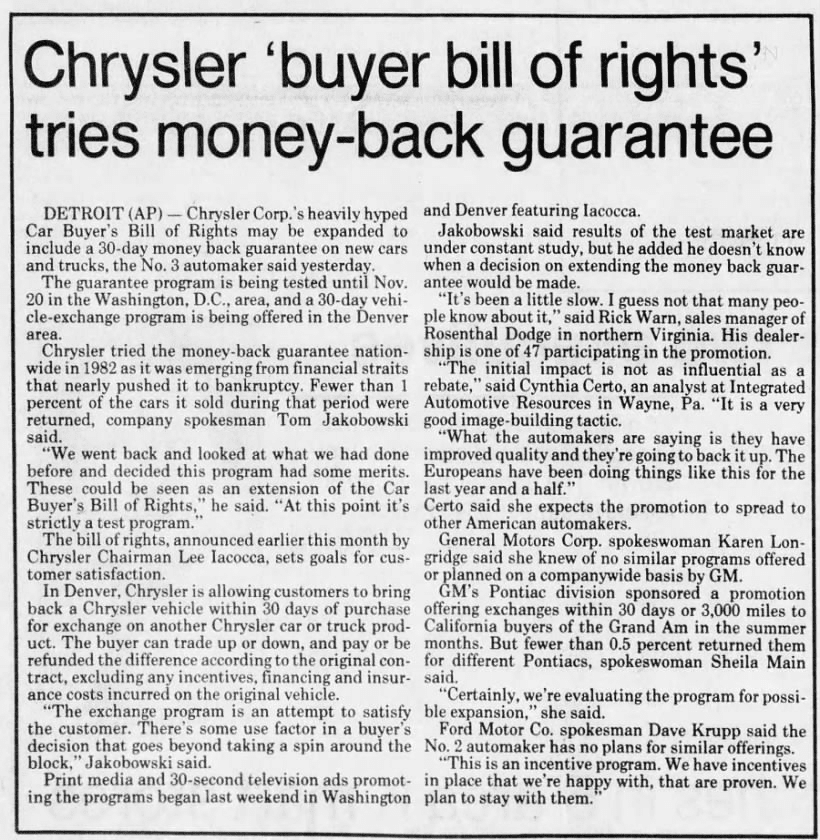
By offering a money-back guarantee, you remove the perceived risk for customers while subtly building attachment. The longer someone has a product in their possession, the harder it becomes to give up. If you can handle the logistics of returns, this is a clever way to strengthen customer loyalty.
Conclusion: Putting the Endowment Effect to Work for You
The Endowment Effect can be a game-changer in how you connect with your customers. By making them feel like your products or services are theirs long before they make a purchase, you increase the value they place on them and improve the chances of a long-lasting relationship.
Start small—add an interactive feature to your product page or tweak the copy on your checkout screen. Watch how the Endowment Effect works its magic.
Until next time,
Dami at SimplVest🚀