Is ₦5,000, the equivalent of three meals in a Lagos restaurant, less than a tank of petrol, really enough to save a human life? The answer, is yes. And the mathematics behind that answer is more compelling than most people realize.

The Cash Value of A Human Life
Can 5,000 make a difference?
Economists and policymakers use a concept called the Value of a Statistical Life, or VSL to answer. The name sounds somewhat cold, but the idea behind it is profoundly human.
In essence, VSL asks the question: what is the value of a human life in cold cash?
VSL does not claim to put a price on any individual person. To be sure, a human life is priceless. To put a figure on it is both impossible and morally wrong. VSL is just a practical number that shows how much money people are collectively willing to spend to make a tiny risk of death or serious harm a little smaller. Policymakers, charities, organizations like the WHO, development banks, etc, all use the VSL in one way or another, as do courts when deciding how much to award in damages resulting from wrongful deaths or safety violations.
Economists calculate it in two easy ways: by watching what extra pay workers demand for risky jobs, or by asking people in surveys, “How much would you pay for a safer option?”
In other words, what it measures instead is how much a large group of people, collectively, are willing to spend to reduce the probability of one death or one serious harm among them. It is the aggregate of thousands of small decisions that, together, protect a life.
Here is how to picture it: imagine 10,000 people, each contributing ₦150,000 to reduce a shared risk of dying by a tiny fraction that is small enough that, on average, one life is saved by their combined effort. That total pool of ₦1.5 billion is, in effect, what society has decided that statistical life is worth.
In the United States, this figure runs to roughly $13–14 million per life. In Nigeria, the number is lower in absolute terms because incomes are lower. However, the principle, and the moral weight behind it, is identical.
What VSL reveals is this: the value of an action is not only in what it does to one person. It is in what it does, multiplied across thousands of people in similar circumstances. This means, that ₦5,000 is a fraction of a life, and fractions, when added together, become whole.
Hunger Is Not Just Hunger
Nigeria is facing one of its worst hunger crises in years. In 2026, an estimated 35 million people are at risk of severe food insecurity. In the north, 15,000 people face conditions approaching famine.
Hunger causes pain in the present as well as forecloses the future. A child who goes without adequate nutrition during the first five years of life faces measurably lower cognitive development, reduced earning potential, and higher susceptibility to illness across a lifetime. A woman who misses meals during pregnancy passes on risk to her child before that child is born. A man who fasts not by religious choice but by economic necessity loses the physical capacity to work. This way, he ends up compounding the poverty that caused his hunger in the first place.
This is why organizations like GiveWell, which rigorously measures the cost-effectiveness of charitable interventions, consistently rank nutrition and hunger relief among the highest-impact uses of a donor’s money.
When researchers survey poor families in Africa and Asia and ask them directly: would you value having a life saved over having your income doubled for a year? The answer, overwhelmingly, is yes. Often by a factor of 100 to 1. Feeding the hungry does not merely relieve suffering today. It prevents a cascade of harm that would otherwise compound for decades.
That is the real value your ₦5,000 carries when it goes toward food.
Three Meals, One Calculation
Here is the arithmetic made concrete.
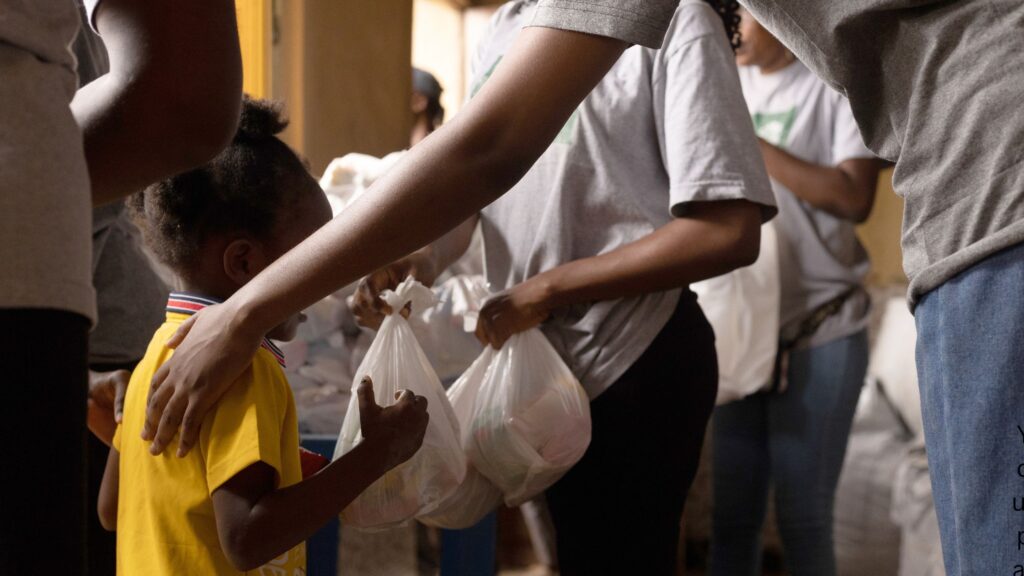
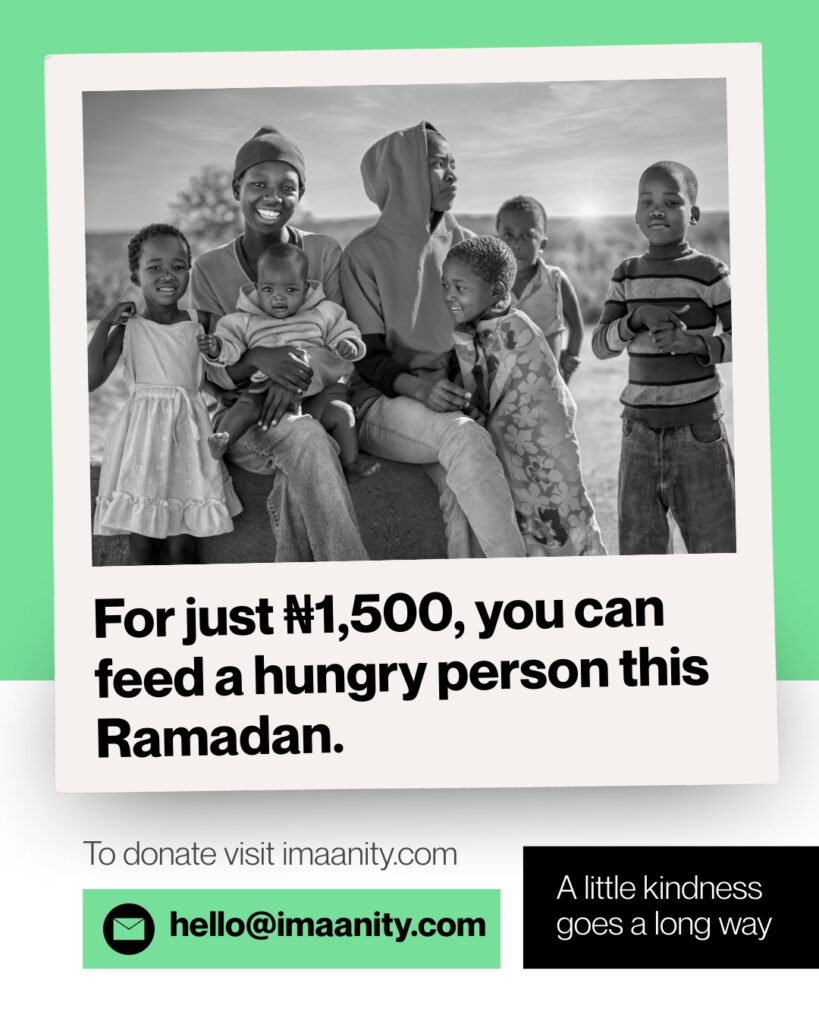
NASFAT’s Feed-A-Mouth programme, now in its 20th year, delivers full iftar and suhoor meals during Ramadan to communities facing the sharpest edge of Nigeria’s hunger crisis. Each meal costs ₦1,500. Your ₦5,000 therefore provides three complete, nourishing meals to three different people. Or, looked at differently, it supplies one person’s food for one and a half days.
That sounds modest. But consider what GiveWell and similar organisations have established through rigorous randomised controlled trials: in contexts of acute food insecurity, a single well-timed meal can avert a medical crisis. It can prevent a child from missing school due to weakness. Also, it can allow a nursing mother to continue feeding her infant. It can keep an elderly person out of a situation from which they would not recover.
The VSL framework asks us to see these small preventions not as isolated kindnesses but as contributions to a shared probability. When thousands of donors each give ₦5,000, and those gifts collectively fund tens of thousands of meals, the cumulative effect when measured in illness averted, stunting prevented, productive capacity preserved, is genuinely life-saving. Not metaphorically. Statistically, mathematically, verifiably.
₦5,000 × thousands of donors = a programme that changed the nutritional trajectory of 60,000 people. That is not charity arithmetic. That is actuarial reality.
Why Imaanity Exists: Closing the Gap Between Intention and Impact
The greatest waste in charitable giving is not fraud, though fraud exists. It is the gap between good intentions and measurable outcomes. In other words, an invisible loss occurs when money given in sincerity simply fails to produce the change it was meant to produce.
That gap exists for a structural reason. For most of the history of organised giving, donors had no practical way to verify what happened to their money after it left their hands. You gave to an institution and trusted the institution. The asymmetry between what donors knew and what organizations knew was so steep that accountability was largely impossible. Some institutions used that asymmetry well. Others did not.
Imaanity was built to close that gap.
What Imaanity Is Built to Do
Imaanity enters this landscape not primarily as a fundraising platform but as what might best be described as a due diligence layer for philanthropic giving.
- Imaanity independently assesses NGO partners on the ground in Nigeria across the categories where need is most acute: poverty relief, healthcare, education, clean water, emergency response, and support for women, children, and families.
- Its digital system delivers allows donors to trace their giving from donation to delivery.
- It offers verified outcomes, not mere stories and anecdotes, as well as ongoing visibility over time.
- They cover operational costs independently. This way, they ensure that 100% of donated funds reach their partner organisations.
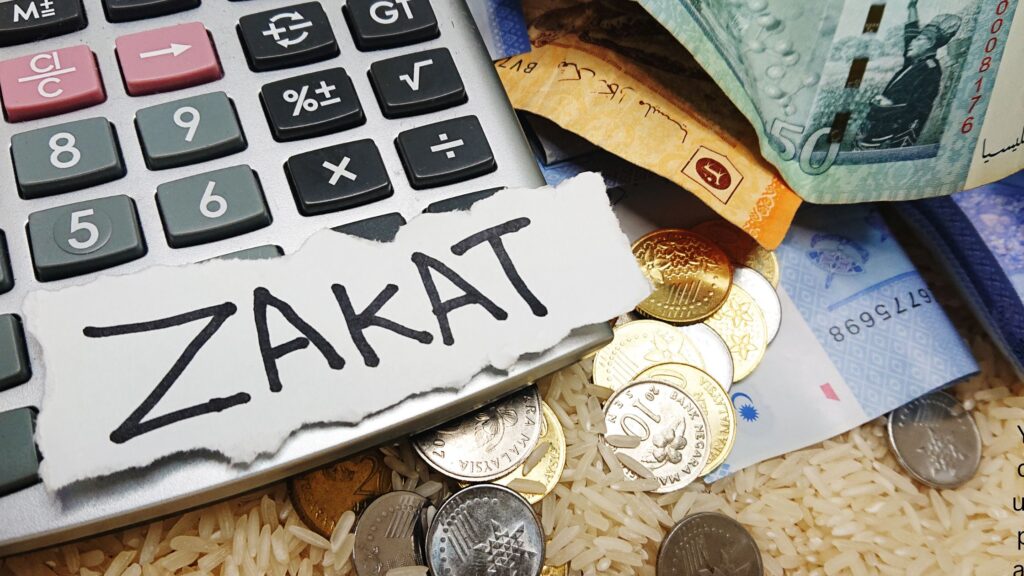
- They provide faith-aligned giving options like tithes and zakat. Imaanity.com’s digital Zakat calculator covers everything from liquid cash to illiquid assets to help you arrive at your precise obligation without guesswork or omission.
- They provide seamless and convenient payment options.
- Donors can direct their contributions to specific geographical locations of their choice instead of just dump them into undifferentiated pools.
- Donors can also track the impact of their giving in real time.
Visit imaanity.com to get started today.
For the first time, you can see your ₦5,000 become a meal. You can watch the number move.