Gold is having an extraordinary moment. After surging approximately 65% in 2025, the precious metal has captured the attention of investors worldwide. Here are reasons Nigerian investors should be paying close attention too.
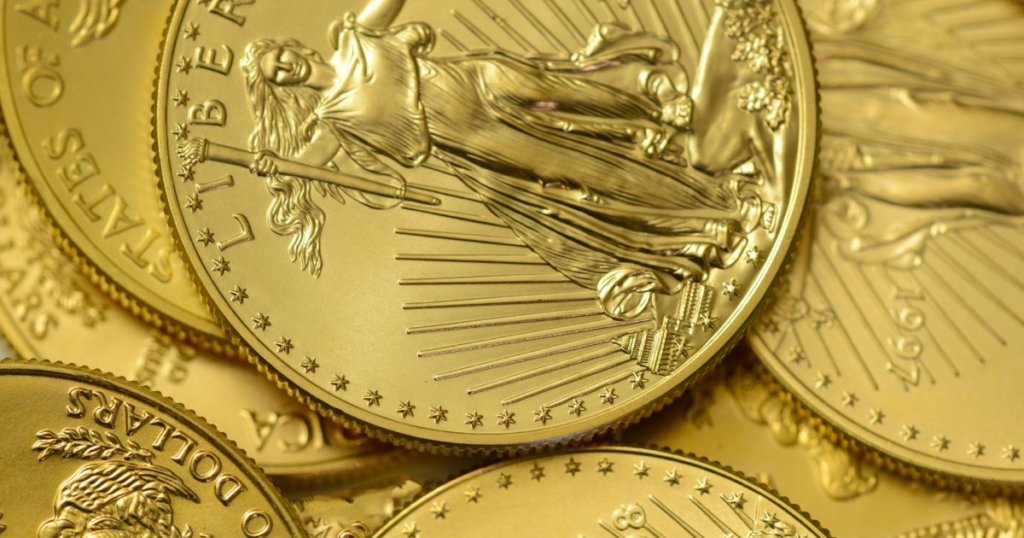
The Gold Rally of 2026
Last year was exceptional for gold investors. The precious metal climbed from around $2,622 per ounce at the start of 2025 to peak at an all-time high of $4,550 on Christmas Eve. To put this in perspective, gold outperformed virtually every major asset class, including stocks, bonds and even cryptocurrencies.
What drove this remarkable rally? A perfect storm of factors created the ideal conditions for gold’s ascent. Geopolitical tensions escalated globally, with ongoing conflicts and trade disputes creating uncertainty. The U.S. dollar weakened by about 10% against other major currencies, making gold more attractive to international investors. Central banks around the world continued buying gold aggressively to diversify their reserves away from traditional currencies. And perhaps most importantly, investors sought safety amid economic uncertainty and concerns about inflation.
For Nigerians watching the naira’s ongoing challenges and economic pressures at home, these global dynamics have particular relevance. When major currencies falter and economic uncertainty rises, gold’s role as a store of value becomes increasingly important.
What the Experts Are Saying About 2026
The big question now is: can gold maintain this momentum? The answer from most market analysts is a resounding yes, although at a more moderate pace than 2025’s explosive gains.
Major financial institutions have released bullish forecasts for gold in 2026. For example, Goldman Sachs projects gold could reach $4,900 per ounce, with significant upside potential if more investors shift their portfolios toward the precious metal. J.P. Morgan expects gold to push toward $5,000 per ounce by year-end 2026, driven by continued central bank demand and growing investor interest. UBS strategists have raised their target to $5,000 per ounce by September 2026, citing ongoing economic concerns and potential political uncertainties.
Bank of America forecasts gold averaging $4,538 per ounce, with peaks potentially reaching $5,000. Meanwhile, Wells Fargo analysts expect gold to finish the year between $4,500 and $4,700 per ounce.
Perhaps most telling is the sentiment among retail investors. According to a recent Kitco News survey, 71% of retail investors expect gold to trade above $5,000 per ounce in 2026, with many predicting even higher prices. This widespread bullish sentiment reflects growing recognition of gold’s role in protecting wealth during uncertain times.
Why Gold Matters for Nigerian Investors
For those of us in Nigeria, gold offers something particularly valuable: protection against currency volatility. Gold is priced in U.S. dollars globally, which means it provides a natural hedge when the naira weakens. When local currency challenges arise, gold investments typically maintain or increase their naira value.
Beyond currency protection, gold serves as insurance against economic uncertainty. In an environment where inflation can erode purchasing power and traditional savings vehicles may struggle to keep pace with rising prices, gold offers a tangible alternative that has preserved wealth for thousands of years.
The accessibility of gold investment has also improved. Whether you’re interested in gold bullion for pure investment purposes or gold jewellery that combines investment potential with cultural significance, there are options available at various price points to suit different budgets and goals.
The Fundamentals Supporting Higher Gold Prices
Several structural factors suggest gold’s bull run has room to continue. Central bank demand remains robust, with surveys showing 95% of central banks planning to increase their gold reserves in the coming year. This institutional support provides a strong foundation for prices.
Investment demand is also expected to stay strong. Global gold ETFs have been adding assets for months, with total holdings exceeding half a trillion dollars. If private investors continue following central banks’ lead in diversifying into gold, the price impact could be substantial.
Physical demand from key markets like China and India has remained resilient despite higher prices, demonstrating that gold’s appeal transcends market cycles. Additionally, expectations of lower interest rates make gold more attractive compared to yield-producing assets, as gold’s opportunity cost decreases when rates fall.
Potential Risks to Consider
While the outlook appears positive, it’s important to acknowledge potential headwinds. If the global economy grows faster than expected and inflation remains subdued, some of gold’s appeal as a safe haven could diminish. A strengthening U.S. dollar would put pressure on gold prices, as the two typically move in opposite directions.
Similarly, if central banks decide to raise interest rates significantly in response to inflation concerns, gold could face challenges. After two years of strong gains, some market consolidation or pullback is possible as investors take profits.
How to Get Started
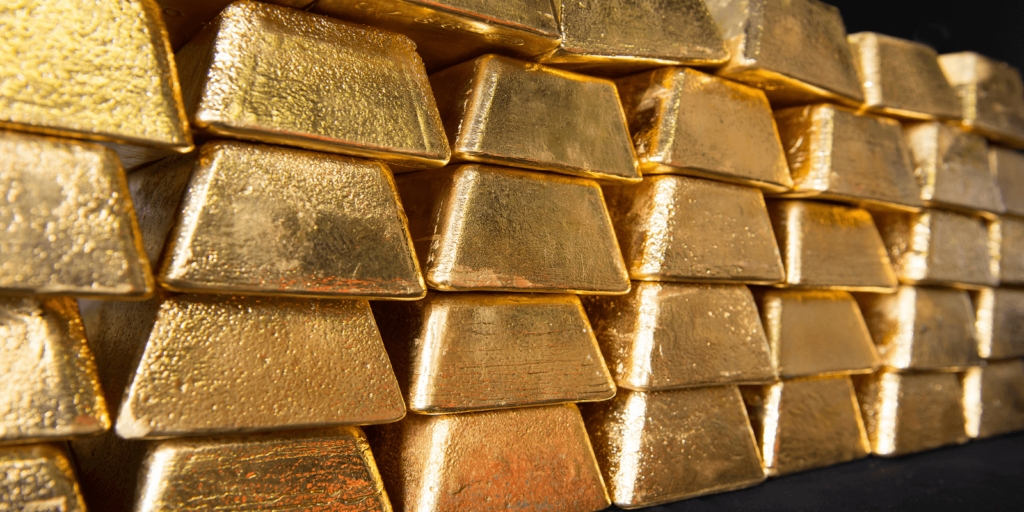
For Nigerian investors interested in gold, the key is starting with a clear strategy. Decide whether you want pure investment gold (bullion bars and coins) for maximum purity and liquidity, or gold jewellery that offers both investment potential and personal enjoyment. Many successful investors combine both approaches.
Buy only from reputable, licensed dealers who provide proper documentation and certificates of authenticity. This protects you from counterfeit products and ensures you’re getting what you pay for. Don’t forget to plan for secure storage, whether a safety deposit box or a high-quality home safe, as protecting your physical gold investment is crucial.
Consider starting with smaller amounts to understand the market dynamics before making larger investments. Gold is a long-term wealth preservation tool, not a get-rich-quick scheme. Focus on quality over quantity, and remember that transaction costs, storage fees, and potential resale fees should factor into your planning.
The Bottom Line
Gold’s exceptional performance in 2025 was by no means a fluke; it was due to shifts in how investors and institutions view the precious metal’s role in protecting wealth. With expert forecasts pointing toward continued gains in 2026, albeit at a more moderate pace than last year, Nigerian investors have a compelling opportunity to consider gold as part of their wealth preservation strategy.
Whether you’re concerned about currency volatility, seeking diversification, or simply want to participate in what many analysts believe could be gold’s continued ascent, 2026 may be the year to add gold to your investment portfolio. The key is approaching it thoughtfully, with proper research, realistic expectations, and a long-term perspective.
As always, be sure to consult with financial advisors and do thorough research before making significant investment decisions. However, with the fundamentals firmly in place and expert consensus pointing upward, gold’s story in 2026 could be one worth being part of.