If you’re a restaurant owner, virtual kitchen operator, or retail business looking to expand your reach, registering on Glovo could be your gateway to millions of potential customers across Nigeria’s urban centres.
The Story of Glovo
Founded in Barcelona in 2015 by Oscar Pierre and Sacha Michaud, Glovo started as a Spanish delivery startup inspired by the American company Postmates. What began with the founders personally delivering orders on bicycles has evolved into a global on-demand delivery platform valued at $2.6 billion. In 2022, German delivery giant Delivery Hero acquired Glovo and provided it with the resources needed for aggressive expansion across emerging markets.
Glovo’s business model has evolved significantly since its inception. Initially focused on delivering “anything and everything,” the company pivoted to become an intermediary marketplace connecting businesses with customers. Today, Glovo operates as a multi-category platform spanning food delivery, groceries, pharmaceuticals, electronics, beauty products, and more. It has essentially transformed from a delivery app into a comprehensive e-commerce ecosystem.
The platform currently operates in 25 markets globally, with Africa representing a strategic pillar of its growth strategy. Since launching in Morocco in 2018 as its first African market, Glovo has invested more than €206 million ($220 million) on the continent and now maintains operations in six African countries, including Nigeria.
How Big Is Glovo’s Nigerian Market?
Nigeria represents Glovo’s most ambitious bet in Africa. Launched in 2021, the platform has experienced remarkable growth in Africa’s largest economy. Over 6,000 vendors in Nigeria have generated a massive ₦71 billion ($42 million) in revenue through Glovo since the platform launched in the country in 2021.
The vendors represent 13% of the 45,000 African businesses supported by Glovo across Africa. This shows Nigeria’s outsized importance to the company’s continental strategy. The platform currently operates in 11 cities across Nigeria, with Lagos driving the majority of its activity and accounting for over 70% of the national footprint.
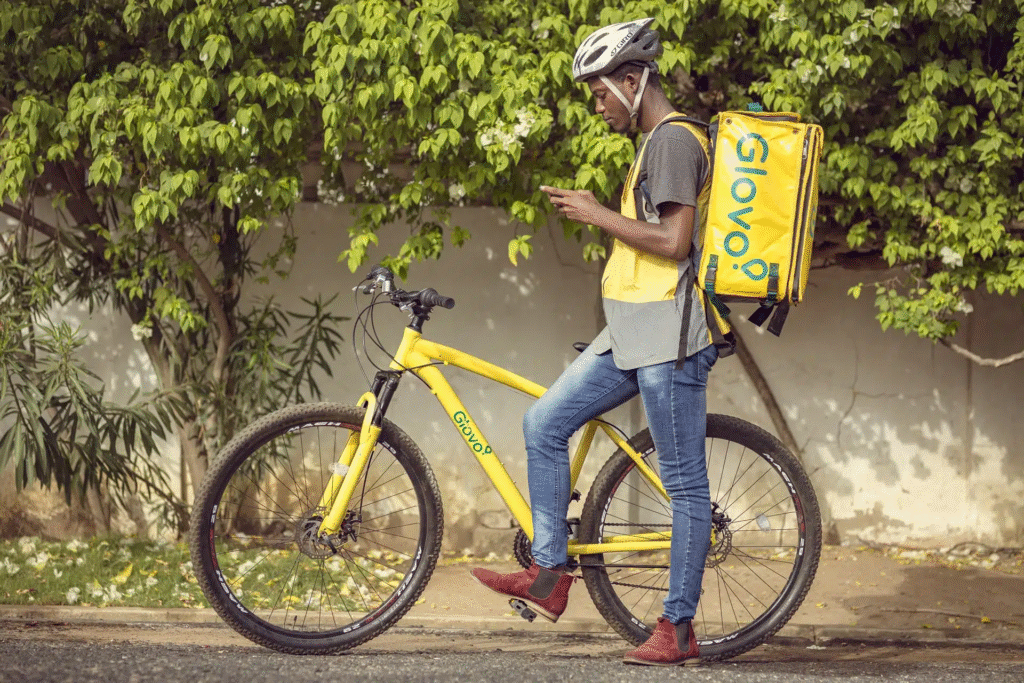
The numbers paint a compelling picture of market opportunity. Glovo has onboarded around 3,000 vendors and works with 2,000 active riders in Nigeria, with the quick commerce segment emerging as the fastest-growing vertical. Glovo’s quick commerce segment, which includes groceries and non-food retail shops, has seen gross merchandise value (GMV) surge 76% year-over-year in 2024.
Beyond food delivery, 20% of users now purchase beyond food, ordering electronics, beauty products, pharmaceuticals, and other essentials. This diversification creates opportunities for non-restaurant businesses to tap into Glovo’s growing customer base.
The platform’s payment dynamics also reflect Nigeria’s evolving digital economy. Cash transactions dropped from 88% of Glovo orders in 2021 to 39% today, a 55% decline, a drop that shows that customers are increasingly comfortable with digital payments.
Step-by-Step Guide to Glovo Registration in Nigeria
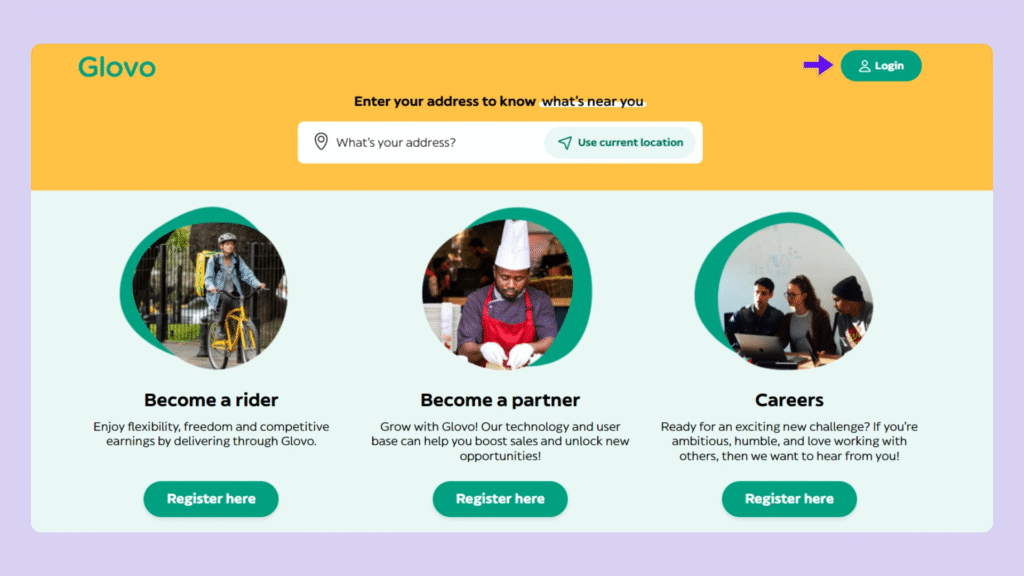
Step 1: Visit the Glovo Partner Page
Navigate to Glovo’s Partner registration portal. Click “Become A Partner” and select Nigeria as your country. You’ll be prompted to provide:
- Business email address (this becomes your primary communication channel)
- Contact phone number
- Restaurant or business name
Ensure your email is accurate and regularly monitored, as Glovo will use it for all official communications throughout the registration and onboarding process.
Step 2: Complete Your Business Profile
Provide comprehensive details about your establishment:
- Full business address: Include street name, area, city, and postal code for accurate mapping
- Service type: Specify whether you offer delivery only, pickup only, or both options
- Operating hours: List your daily business hours, including any variations for weekends or holidays
- Phone number: Provide a number for two-step verification and customer contact
Accuracy is crucial here. Any errors in your address or operating hours can lead to customer dissatisfaction and negative reviews once you’re live on the platform.
Step 3: Upload Required Documentation
Prepare and upload the following documents in clear PDF or JPEG format:
- Business registration certificate: CAC registration documents proving your business is legally registered in Nigeria
- Food safety certificates: NAFDAC registration and health permits (required for food businesses)
- Tax identification number: Your business TIN for tax compliance
- Bank verification documents: ID and bank account verification for payout processing
Ensure all documents are current, clearly legible and properly formatted. Incomplete or unclear documentation will delay your approval process.
Step 4: Create and Optimize Your Menu
Your menu is your digital storefront on Glovo. Take time to craft it strategically:
Upload comprehensive offerings: Include every dish or product you want to sell, with detailed descriptions highlighting key ingredients, portion sizes, and any dietary considerations.
Set competitive pricing: Research similar offerings on the platform to ensure your prices are competitive while maintaining healthy margins. Remember to factor in Glovo’s commission structure when setting prices.
Add high-quality images: Professional photos significantly impact conversion rates. Include images for at least your most popular items. Photos should be well-lit, appetizing (for food), and accurately represent what customers will receive.
Organize into logical categories: Group items into intuitive categories like “Appetizers,” “Main Courses,” “Beverages,” “Sides,” etc. Clear organization improves the browsing experience and can increase order values.
Highlight bestsellers: Use Glovo’s menu features to mark popular items, encouraging customers to try your most successful dishes.
Step 5: Define Your Delivery Zone
Use Glovo’s mapping tool to establish your delivery radius:
- Assess your capacity: Consider your kitchen’s output capabilities, available delivery personnel (if self-delivering), and typical preparation times
- Map strategic coverage: Focus on areas with high population density and strong demand for your type of offering
- Balance reach and quality: Avoid extending too far, which can result in cold food, late deliveries and negative reviews
- Consider logistics: Account for traffic patterns, road conditions in your target areas and typical travel times
Remember, it’s better to start with a smaller, manageable zone and expand as you build operational efficiency than to overextend and deliver poor experiences.
Step 6: Configure Payment and Payout Options
Set up your financial preferences:
- Payment methods: Choose whether to accept cash, card payments, or both (digital payments are growing rapidly in Nigeria)
- Bank account details: Provide your business bank account information for revenue transfers
- Payout schedule: Select your preferred payout frequency (weekly or bi-weekly options typically available)
Ensure your bank details are accurate to avoid payment delays. Given Nigeria’s trend toward digital payments, enabling card payments can significantly expand your potential customer base.
Step 7: Review and Submit
Carefully review all information before final submission:
- Verify all contact details are correct
- Confirm your menu items, descriptions, and prices are accurate
- Double-check your delivery zone coverage
- Ensure all documentation is properly uploaded
Submit your application. Glovo typically reviews applications within 3-7 business days. You may receive requests for clarification or additional documentation during this period, so monitor your email regularly. Once approved, you’ll receive access credentials to the Glovo Partner Dashboard, where you can manage orders, update your menu, track performance analytics and communicate with customers.
Take the first step today: visit the Glovo Partner portal and begin your registration. Your next customer could be just one app tap away.